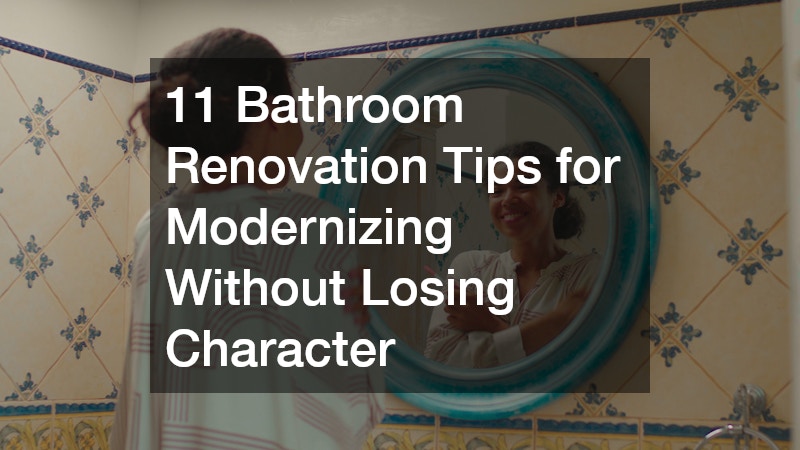
Modernizing a bathroom doesn’t mean stripping away the charm that made it appealing in the first place. Many homeowners hesitate to renovate because they fear losing the details that give their space personality, history, or warmth. The good news is that thoughtful planning allows you to introduce modern comfort, efficiency, and style while preserving what makes your bathroom unique.
Older homes often feature materials, layouts, and craftsmanship that are difficult to replicate today. At the same time, modern expectations include improved lighting, better storage, water efficiency, and long-lasting finishes. A successful renovation bridges those two worlds rather than choosing one over the other.
This guide focuses on practical renovation strategies that respect original character while subtly updating function and appearance. From material choices to layout decisions, each tip is designed to help you make upgrades that feel intentional instead of trendy. Whether you’re renovating a century-old home or simply trying to avoid a sterile, showroom-style result, these insights will help you modernize with care and confidence.
1. Preserve Architectural Details While Updating Surfaces
Original architectural elements are often what give a bathroom its soul. Crown molding, arched doorways, wainscoting, and plaster walls all contribute to a sense of history that’s worth protecting. Instead of removing these features, restoration or gentle refinishing can allow them to coexist with modern updates.
Surface upgrades should complement existing details rather than compete with them. Choosing materials that echo traditional textures while offering contemporary durability helps strike that balance. A custom countertop can be designed to suit the proportions and style of an older vanity while still offering improved resistance to moisture and daily wear. This approach allows the space to feel refreshed without appearing out of place.
When updating sinks or storage, it’s important to consider scale. Oversized modern fixtures can overpower original details, while thoughtfully sized replacements enhance them. Subtle color palettes often work best, especially when paired with architectural elements that already command visual interest.
In another phase of surface updates, homeowners sometimes revisit sink areas after living with initial renovations. A custom countertop chosen later can better reflect how the space is used daily. This staged approach ensures changes feel organic rather than rushed, allowing old and new elements to settle into a cohesive design.
2. Upgrade Fixtures Without Altering the Layout
One of the easiest ways to modernize a bathroom without losing character is to keep the original layout intact. Older bathrooms were often designed efficiently, and preserving plumbing locations reduces both cost and disruption. Modern functionality doesn’t require rearranging everything.
Swapping outdated materials for improved versions can dramatically change how the room feels. When sinks or vanities show wear, using a countertop replacement service allows homeowners to refresh surfaces while maintaining original cabinetry or footprints. This keeps the visual rhythm of the space consistent while adding modern performance.
Material selection plays a key role here. Stone-look or solid surface options can mirror traditional materials while offering easier maintenance. Updated edges and finishes can subtly signal modernity without overwhelming the existing aesthetic.
In situations where multiple updates occur over time, a countertop replacement service also allows flexibility. Homeowners can respond to changing needs or tastes without committing to a full renovation again. This incremental modernization respects the room’s original structure while allowing it to evolve naturally.
3. Refresh Cabinetry Instead of Replacing It
Cabinetry often defines the visual weight of a bathroom, especially in older homes. Original cabinets were frequently built from solid wood and crafted to last decades. Replacing them outright can remove both character and quality that are difficult to replicate today.
Refinishing, repainting, or updating cabinet fronts can dramatically change the look without sacrificing authenticity. One of the most effective ways to modernize cabinetry is through updated cabinet hardware supplies. New pulls, knobs, and hinges introduce contemporary finishes while allowing the original woodwork to remain intact.
The key is choosing hardware that complements the era of the home. Clean lines, muted finishes, and simple shapes often bridge traditional and modern styles effectively. This small change can make cabinetry feel intentional rather than outdated.
Over time, tastes change, and hardware trends evolve. Replacing cabinet hardware supplies again in the future is far easier and less disruptive than replacing cabinets entirely. This flexibility makes it a smart modernization strategy that protects both character and budget.
4. Balance Timeless and Modern Cabinet Styles
Cabinet aesthetics can dramatically influence whether a bathroom feels cohesive or conflicted. When introducing new storage, it’s important to choose cabinet designs that respect the existing architecture rather than clash with it. Transitional styles often work best, blending classic proportions with simplified detailing.
Flat-panel doors, recessed fronts, or subtle framing can nod to modern preferences while still feeling appropriate in older homes. Color selection matters as well. Neutral tones, soft contrasts, and natural finishes tend to age better than bold trends.
Storage upgrades should also enhance functionality. Thoughtful cabinet designs incorporate modern organizational features without altering the room’s original flow. Interior drawers, adjustable shelving, and concealed storage improve usability while keeping the exterior appearance understated.
When cabinets are custom or semi-custom, proportions can be adjusted to align with original trim or tile lines. This attention to detail ensures new additions feel like they’ve always belonged there rather than appearing as obvious afterthoughts.
5. Choose Flooring That Honors the Home’s Era
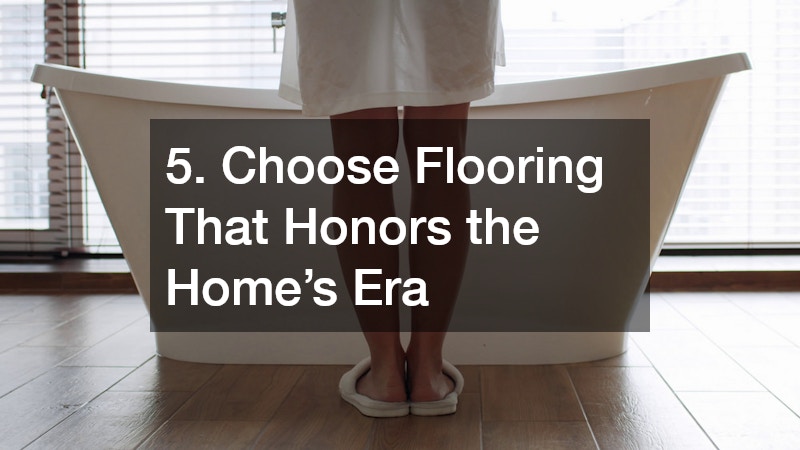
Flooring plays a major role in defining character. Original materials such as mosaic tile, stone, or patterned ceramics often reflect the era of construction and should be preserved when possible. If replacement is necessary, the goal should be continuity rather than contrast.
Working with a flooring company that understands historical styles helps homeowners select materials that complement original features. Modern manufacturing allows for durable options that replicate classic patterns while meeting today’s moisture and slip-resistance standards.
Installation patterns matter just as much as material choice. Traditional layouts such as hexagon mosaics or staggered tiles often feel more authentic than large-format modern slabs. Grout color selection can also influence whether flooring blends seamlessly or stands out unnecessarily.
A knowledgeable flooring company can also advise on transitions between rooms, ensuring flooring changes don’t disrupt the home’s overall flow. Thoughtful flooring choices anchor the space, allowing other modern elements to integrate naturally.
6. Work With Specialists Who Respect Existing Character
Renovation success often depends on who performs the work. Choosing a bathroom contractor experienced in character-focused renovations ensures that original details are preserved rather than removed for convenience. Specialized professionals understand how to modernize without erasing history.
Planning is particularly important in older homes, where surprises behind walls are common. A skilled bathroom contractor knows how to adapt solutions while maintaining design intent. This might include reinforcing existing structures, adjusting modern fixtures to fit vintage dimensions, or restoring original materials instead of replacing them.
Communication also plays a role. Contractors who respect character listen carefully to homeowner goals and suggest upgrades that align with the home’s story. This collaborative approach prevents unnecessary changes that could diminish charm.
Ultimately, the right professional acts as a steward of the space, guiding improvements that feel thoughtful and appropriate rather than generic or trend-driven.
7. Improve Comfort Without Compromising Aesthetics

Modern bathrooms are expected to be comfortable year-round, but older homes were rarely designed with consistent temperature control or proper ventilation in mind. Drafts, uneven heating, and lingering humidity are common issues that can make an otherwise beautiful bathroom uncomfortable to use. The challenge is improving these conditions without introducing visible systems that clash with the room’s original style.
In many cases, air duct restoration enhances efficiency without requiring visible alterations to walls, ceilings, or flooring. Restoring existing ductwork allows homeowners to improve airflow and temperature regulation while keeping original vent placements intact. This approach is particularly valuable in homes where vents were intentionally positioned to complement architectural symmetry or decorative trim.
Poor airflow doesn’t just affect comfort; it can also accelerate wear on historic materials. Addressing circulation problems through air duct restoration helps reduce moisture buildup that can damage tile grout, plaster walls, and wood detailing over time. Improved airflow also supports healthier indoor air quality, which is especially important in enclosed bathroom spaces.
These behind-the-scenes upgrades don’t change how the bathroom looks, but they dramatically improve how it feels day to day. When comfort improvements remain invisible, the bathroom retains its visual authenticity while offering the livability expected in a modern home.
8. Modernize Plumbing While Preserving Fixtures
Plumbing upgrades are essential in any bathroom renovation, particularly in older homes where pipes may be corroded, undersized, or inefficient. Low water pressure, inconsistent temperatures, and slow drainage often signal aging systems behind the walls. The key is improving reliability without disturbing visible features that contribute to the bathroom’s character.
Working with local plumbers who understand older construction methods ensures solutions are thoughtful rather than disruptive. Experienced professionals can often update supply lines, shutoff valves, and internal connections while preserving original tubs, sinks, or exposed piping elements that give the space its charm. This targeted approach minimizes demolition and protects historic finishes.
Water efficiency improvements don’t require sacrificing style or authenticity. Modern valves, pressure-balancing systems, and leak-prevention technology can be installed discreetly behind walls or beneath fixtures. Local plumbers can also adapt modern components to vintage dimensions, preventing awkward proportions or forced design compromises.
By prioritizing internal plumbing upgrades over visible replacements, homeowners gain modern reliability while maintaining the visual details that make the bathroom feel established and intentional rather than newly constructed.
9. Address Drain Issues Without Major Renovation
Drainage problems are common in older homes, particularly where original pipe slopes or materials no longer perform efficiently. Slow drains, recurring clogs, or unpleasant odors can disrupt daily use and threaten surrounding materials. Fortunately, many of these issues can be resolved without tearing out finished surfaces.
Routine drain cleaning improves performance by removing buildup that naturally accumulates over time. Hair, soap residue, and mineral deposits can restrict flow and place stress on aging pipes. Regular maintenance helps prevent backups that could damage flooring, cabinetry, or wall finishes.
When problems persist, professional drain cleaning can identify deeper issues such as partial obstructions, buildup in older pipe materials, or minor alignment problems. Addressing these concerns early reduces the risk of leaks or moisture intrusion that could compromise original features.
This preventative approach supports long-term preservation by maintaining systems already in place. By caring for existing infrastructure instead of replacing it prematurely, homeowners avoid unnecessary renovations that could strip away character.
10. Upgrade Electrical Systems Discreetly

Electrical systems in older bathrooms often fall short of modern safety standards and daily convenience needs. Limited outlets, outdated wiring, and insufficient lighting are common challenges. The goal of electrical upgrades should be improved functionality without altering the visual language of the space.
A skilled residential electrican can modernize wiring, install ground fault protection, and add outlets while keeping changes hidden behind walls or within existing pathways. This allows safety improvements to be made without disturbing decorative tile, trim, or plaster details that define the bathroom’s character.
Lighting design is especially important in bathrooms where tasks require clarity without harshness. Thoughtful placement enhances usability while respecting original proportions and sightlines. A residential electrican can integrate modern lighting technology into fixtures that reflect the home’s style, ensuring visual continuity.
These updates provide safety, efficiency, and comfort while remaining visually unobtrusive. Modern electrical functionality can exist quietly in the background, supporting daily routines without competing with historic design elements.
11. Take a Phased Approach to Preserve Authenticity
Modernization doesn’t need to happen all at once to be effective. A phased renovation allows homeowners to evaluate how each improvement affects the space before committing to the next step. This method reduces the risk of over-renovating or unintentionally erasing original charm.
By tackling projects gradually, homeowners gain insight into how the bathroom functions day to day. This experience helps guide smarter decisions about what truly needs updating versus what should remain untouched. Phasing often leads to more thoughtful material choices and better long-term satisfaction.
Staged renovations also make budgeting more manageable. Essential upgrades can be prioritized while original elements are preserved as long as possible. This measured pace discourages impulsive trend-driven changes and encourages respect for the home’s history.
Ultimately, preserving character requires patience and intention. Bathrooms that evolve slowly and thoughtfully tend to feel timeless, blending modern comfort with the authenticity that made them special in the first place.