
As the seasons change, your home faces different weather conditions, temperatures, and maintenance demands. A house that stays comfortable and protected throughout the year does not happen by accident. Preparing before the next season arrives can help you identify small problems, improve efficiency, protect important systems, and make everyday living more comfortable.
Seasonal preparation is also an opportunity to look at your home as a complete system. Exterior features, heating and cooling equipment, plumbing, windows, and outdoor surfaces all play a role in keeping your property functional. By creating a routine for seasonal maintenance, you can address potential concerns before they become more disruptive or expensive.

Start With An Exterior Inspection
The exterior of your home is the first line of defence against changing weather. Before each major seasonal transition, walk around the property and look for visible signs of damage or deterioration. Check siding, trim, windows, doors, foundations, and other areas where moisture or pests could enter.
Pay particular attention to areas around the roof. Missing or damaged shingles, cracked flashing, sagging sections, or visible water stains can indicate problems that need professional attention. If significant damage is present, a roof installation contractor can assess the condition of the roof and determine whether repairs or replacement are appropriate.
It is also useful to check outdoor structures, including decks, porches, fences, and sheds. Look for loose boards, deteriorating materials, unstable railings, and other issues that could become worse during severe weather. Completing these inspections before extreme temperatures arrive gives you more time to address problems.
Clean And Maintain Gutters
Gutters have an important job: directing rainwater away from the home’s roof and foundation. Leaves, twigs, dirt, and other debris can accumulate inside them throughout the year, restricting water flow and potentially causing overflow.
Installing new gutters may be worth considering if existing systems are damaged, consistently overflowing, pulling away from the house, or no longer adequately directing water away from the property. Even functional gutters should be inspected and cleaned regularly, particularly after periods when trees shed large amounts of leaves.
Check downspouts as well. Water should flow freely through them and discharge far enough away from the foundation. Extensions can help direct water away from the house when necessary. Keeping this system clear can help reduce moisture-related problems around the exterior.
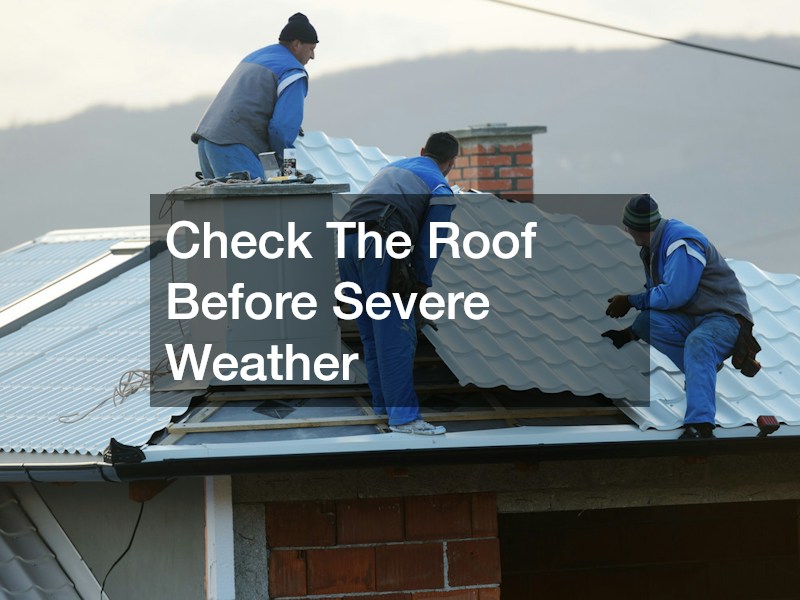
Check The Roof Before Severe Weather
Seasonal preparation should include a closer look at one of the home’s most important protective features. Your roof must withstand rain, wind, snow, heat, and changing temperatures, so small issues can become more noticeable as weather conditions shift.
Look for damaged shingles, exposed roofing materials, deteriorating flashing, moss growth, and signs of moisture inside the attic. You should avoid climbing onto the roof yourself if you are not equipped or trained to do so. A professional inspection can provide a safer and more thorough assessment.
If the roof has reached the end of its useful life, roof installation may become part of your seasonal home improvement planning. Addressing an aging roof before a major weather event can help prevent avoidable interior damage.
Prepare Heating And Cooling Equipment
Your heating and cooling systems should be checked before the season when you will rely on them most. Before summer, inspect your air conditioning system and replace or clean filters as appropriate. Before winter, make sure your heating equipment receives the attention it needs.
Different HVAC companies offer different services, so homeowners should determine what maintenance their particular system requires. Professional service may identify worn components, airflow problems, or other issues that could affect comfort and efficiency.
Do not wait until extreme temperatures arrive to discover that your system is not working correctly. Scheduling maintenance ahead of peak demand can give you more time to address necessary repairs.

Give Your Boiler Attention Before Winter
Homes that rely on boilers have additional seasonal considerations. Before cold weather arrives, check for unusual noises, leaks, inconsistent heating, or other changes in performance.
If your system is not operating properly, boiler system repair may be necessary before temperatures drop. Having heating equipment evaluated early can help reduce the possibility of an unexpected breakdown during the coldest part of the year.
Homeowners should also make sure vents and radiators are not blocked by furniture or household items. Keeping heating areas unobstructed can support more consistent warmth throughout the home.
Inspect Plumbing For Seasonal Problems
Temperature changes can put additional stress on plumbing systems. Before winter, inspect exposed pipes in garages, basements, crawl spaces, and other unheated areas. Insulation can provide additional protection in locations that are vulnerable to freezing temperatures.
During warmer months, look for outdoor plumbing leaks, dripping faucets, irrigation problems, and other signs of water loss. Indoors, keep an eye out for slow drains, low water pressure, unusual smells, or water stains.
When a problem requires professional attention, plumbing companies can help diagnose and address issues ranging from leaks to drainage problems. Taking care of small plumbing concerns early can reduce the likelihood of dealing with a larger emergency later.

Check For Unwanted Guests
Seasonal changes can affect where wildlife and pests seek shelter. As temperatures fall, animals may look for warm, protected areas inside or around homes. Attics, chimneys, roof spaces, and wall openings can become potential entry points.
Listen for unusual sounds and inspect exterior areas for gaps or openings. Do not attempt to remove wildlife yourself if you are unsure what species is involved or how to handle the situation safely.
If bats have entered your home, a bat removal service can address the problem using appropriate removal methods. After animals are removed, sealing potential entry points can help reduce the chance of them returning.
Improve Window And Door Efficiency
Windows and doors can have a noticeable effect on indoor comfort. Before winter, check for drafts around frames and inspect weatherstripping for signs of wear. During warmer seasons, make sure screens are intact and windows open and close properly.
Window coverings can also help regulate sunlight and indoor temperatures. Plantation shutters can provide a practical window treatment option while contributing to light control and privacy. Depending on the home’s design, other shades, curtains, or coverings may also help manage heat and glare.
Check exterior doors as well. Damaged seals can allow conditioned air to escape and outdoor air to enter. Replacing worn weatherstripping can be a relatively simple improvement that makes a difference during periods of extreme temperatures.
Review Your Attic And Insulation
The attic deserves attention during seasonal maintenance because it can have a significant effect on indoor temperatures. Check for visible gaps, damaged insulation, moisture, or signs of pests. Inadequate insulation can allow heated or cooled air to escape, making your HVAC system work harder.
Ventilation should also be considered. Proper attic ventilation can help manage heat and moisture, particularly during warmer months. Look for signs such as excessive condensation, musty odors, or unusually high attic temperatures.
If you discover moisture or insulation problems, have the area evaluated before making changes. Addressing the underlying source of a problem is generally more useful than simply covering up visible damage.
Prepare For Storms And Power Outages
Changing seasons can bring severe storms, heavy snow, high winds, or other conditions that temporarily affect utilities. Preparing a basic emergency kit can help your household remain comfortable if the power goes out or travel becomes difficult.
Keep flashlights, batteries, portable chargers, bottled water, basic supplies, and important contact information readily accessible. Homeowners who use generators should make sure they are maintained and operated according to the manufacturer’s safety instructions.
It is also worthwhile to know where your home’s main water shutoff and electrical panel are located. Being able to quickly shut off utilities when necessary can be especially useful during certain emergencies.
Review Your Outdoor Surfaces
Seasonal maintenance should extend beyond the walls of the house. Driveways, walkways, patios, and other paved areas experience repeated exposure to rain, sunlight, freezing temperatures, and vehicle traffic.
Look for cracks, potholes, uneven sections, and areas where water collects. Small cracks can sometimes become larger after repeated temperature changes, particularly when moisture enters the surface and freezes.
If a driveway or other paved area needs extensive work, an asphalt paving company can evaluate the surface and determine what type of repair or resurfacing may be appropriate. Addressing deterioration early can help maintain the appearance and usability of your property.
Inspect Outdoor Water Management
Water management becomes particularly important when preparing for seasonal storms. Walk around your property after rainfall and observe whether water drains away from the home’s foundation or collects in certain areas.
Make sure downspouts are directing water away from the foundation and check for soil erosion near drainage outlets. If landscaping has shifted over time, grading may need to be adjusted to encourage water to move away from the house.
You should also inspect sump pumps if your property has one. Test the system before periods of heavy rainfall and make sure the discharge line is clear. Taking a few minutes to confirm that water-management equipment works properly can help you prepare for significant precipitation.
Consider Energy Improvements
Seasonal preparation can also be an opportunity to evaluate how your home uses energy. Look at your electricity bills over time and consider whether certain systems or appliances appear to consume more energy than expected.
Solar energy may be worth exploring for homeowners interested in producing electricity on-site. Solar contractors can evaluate a property’s suitability for solar equipment and discuss available system options.
Energy improvements do not necessarily have to involve a major installation. Sealing drafts, improving insulation, using efficient lighting, maintaining HVAC equipment, and choosing appropriate window coverings can all contribute to a more comfortable home.
Prepare Your Yard For The Next Season
Landscaping requires different attention depending on the time of year. Before winter, remove dead branches that could become hazardous during snow or high winds. Protect plants that are vulnerable to freezing temperatures and clean up leaves where appropriate.
Spring preparation may involve pruning, planting, inspecting irrigation systems, and removing winter debris. Summer preparation can focus on watering, lawn care, and managing heat stress. Fall is often the time to clean up leaves and prepare plants and outdoor features for colder weather.
Trees deserve particular attention because damaged branches can pose risks to structures, vehicles, and people. Have questionable trees or large limbs evaluated by an appropriately qualified professional rather than attempting dangerous removal yourself.
Check Your Home’s Safety Equipment
Seasonal maintenance is a good opportunity to test smoke alarms and carbon monoxide detectors throughout the home. Replace batteries when necessary and make sure each device is functioning properly. If a detector is outdated, follow the manufacturer’s recommendations regarding replacement.
Fire extinguishers should also be easy to access and appropriate for their intended locations. Make sure household members know where they are kept and understand basic emergency procedures.
If you have a fireplace or wood-burning stove, have it inspected and cleaned as recommended. Creosote and other deposits can accumulate inside chimneys and create potential hazards when heating equipment is used.
Think About Major Home Improvements
Seasonal maintenance can reveal larger projects that deserve attention. Instead of treating every repair as an isolated problem, consider whether recurring issues indicate that a component needs replacement or an improvement would make the home more functional.
For example, repeated roof repairs may suggest that replacement should be considered. Ongoing drainage issues could indicate that gutters or grading need improvement. Persistent temperature differences between rooms could prompt an evaluation of insulation, windows, or HVAC performance.
Planning major projects in advance can also make budgeting easier. Create a list of improvements, estimate their urgency, and prioritize work based on safety, potential damage, comfort, and long-term value.
Create A Seasonal Maintenance Checklist
A seasonal home maintenance checklist can make preparation easier to manage. Divide tasks into categories such as exterior, interior, heating and cooling, plumbing, landscaping, safety, and energy efficiency.
Some tasks should happen several times a year, while others may only be necessary annually. Keep notes about when inspections, maintenance, and replacements were completed. Recording the age of major systems can also help you anticipate future expenses.
It can be useful to schedule reminders for recurring tasks rather than waiting until the weather changes. A proactive calendar makes seasonal preparation part of your normal household routine.
Protect Your Home Throughout The Year
Preparing for changing seasons is ultimately about staying ahead of potential problems. A roof inspection, clean gutters, properly maintained HVAC equipment, functional plumbing, secure windows, and well-maintained outdoor spaces can all contribute to a safer and more comfortable home.
You do not have to complete every task at once. Start with the systems that are most affected by the upcoming weather, then work through the remaining areas of the property. By making seasonal maintenance a regular habit, you can identify concerns earlier, plan improvements more effectively, and help your home remain ready for whatever the next season brings.